

Introduction: The Rapid Rise of AI in Digital Advertising
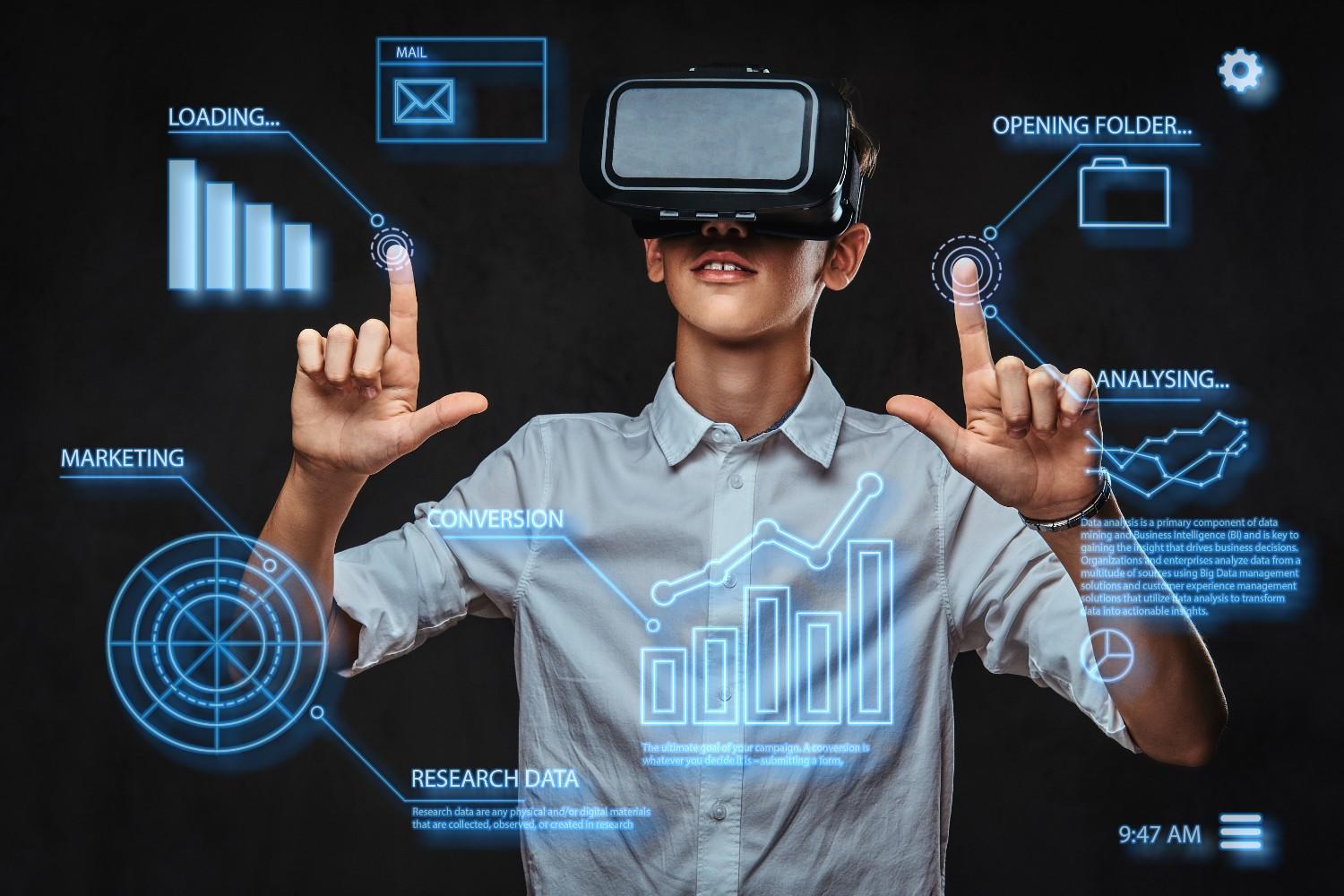
Over the past few years, AI in digital marketing has moved from experimentation to everyday execution. Advertising platforms like Google and Meta now rely heavily on artificial intelligence to automate bidding, targeting, and campaign optimisation.
Tasks that once required hours of manual campaign management are now handled automatically through AI advertising systems. These systems analyse massive datasets in real time and make adjustments that improve campaign performance faster than human operators could.
The adoption of AI in marketing is accelerating rapidly. According to industry research, nearly 73% of marketing teams already use generative AI in their workflows. In comparison, 88% of marketers now rely on AI tools in their daily work for tasks such as content creation, analytics, and campaign optimisation (Search Engine Journal; SurveyMonkey).
In advertising, AI ad optimisation has become central to campaign management. Platforms now decide which creatives perform best, which audiences to prioritise, and how budgets should be distributed across campaigns.
n many ways, AI in performance marketing has already transformed how digital campaigns run.
Naturally, this raises an important question: if AI advertising can manage campaigns more efficiently than humans, what will marketers actually do?
The answer is not as dramatic as it seems. The future of marketing with AI is not about replacing marketers. It is about evolving their role from campaign operators to strategic decision-makers.
What AI Cannot Replace: The Human Advantage
Despite the rapid advancement of AI in digital marketing, certain aspects of marketing remain deeply human.
Artificial intelligence is excellent at analysing patterns and optimising performance. However, it struggles with strategic thinking, creative storytelling, and cultural interpretation.
These areas form the foundation of effective marketing.
Strategic Thinking
AI can optimise campaigns, but it cannot determine what a brand should stand for.
Strategic decisions such as market positioning, value proposition design, and customer journey mapping remain human responsibilities. These decisions shape the direction of an effective AI marketing strategy.
For example, in AI in performance marketing, automation tools can adjust bids or audiences instantly. But they still rely on marketers to define the audience, messaging direction, and campaign objectives.
Without strong strategic thinking, AI ad optimisation simply accelerates poorly designed campaigns.
This is why AI advertising works best when guided by human insight.
Creativity and Storytelling
Creativity is another domain where humans maintain a clear advantage.
AI tools can generate ad copy variations or suggest creative formats, but they rarely produce campaign ideas that emotionally resonate with audiences. Strong marketing campaigns often emerge from cultural insight, storytelling, and creative experimentation.
This is why even the most advanced AI advertising platforms still depend on human ideation.
Marketers develop the campaign concept, define the brand voice, and design the narrative that connects with customers. AI then tests multiple creative versions quickly through AI ad optimisation.
As AI in digital marketing becomes more advanced, creative strategy becomes even more valuable because it is one of the few competitive advantages that cannot be easily automated.
Cultural Understanding
Marketing does not exist in isolation. It exists within culture.
Trends, memes, language shifts, and evolving consumer behaviour shape how marketing messages are interpreted.
AI models typically rely on historical data. Humans interpret cultural shifts.
For example, a campaign that references a cultural trend or emerging consumer behaviour requires contextual understanding that algorithms cannot easily replicate.
In the future of marketing with AI, marketers will remain the interpreters of culture, while AI functions as the analytical engine behind campaign execution.
The New Role of Marketers: From Operators to Strategists

The most significant shift driven by AI in digital marketing is the transformation of marketing roles.
Traditionally, many marketers spent a large portion of their time adjusting bids, managing targeting settings, and monitoring campaign dashboards.
Today, AI advertising platforms increasingly handle these operational tasks automatically.
Studies show that nearly 78% of brands now use AI to optimise ad creatives, and 65% of digital advertising spend involves AI-enabled automation (WifiTalents Industry Research).
As automation expands, marketers are moving toward higher-value responsibilities.
Instead of manually optimising campaigns, they now focus on designing the broader AI marketing strategy that guides automated systems.
In AI in performance marketing, the marketer’s role is evolving into that of a strategist who defines the campaign direction, customer insights, and creative messaging.
This shift reflects a broader transformation in the future of digital marketing.
Campaign management is becoming automated. Strategic thinking is becoming essential.
The Skills Marketers Need in the AI Era
As AI advertising continues to evolve, marketers must develop new capabilities to stay relevant.
The professionals who thrive in the future of marketing with AI will combine technological understanding with strategic thinking.
AI Tool Literacy
Understanding AI-driven platforms will become a fundamental marketing skill.
Marketers must learn how to guide automation tools, structure prompts, and manage AI-driven workflows. Effective AI ad optimisation depends on providing the right data inputs, audience signals, and creative assets.
The better marketers understand these systems, the stronger their AI marketing strategy becomes.
Data Interpretation
AI generates enormous volumes of performance data. However, interpreting that data still requires human judgment.
Marketers must translate algorithmic insights into meaningful business decisions.
In AI in performance marketing, automation may identify patterns, but marketers decide how campaigns should evolve based on those patterns.
This ability to convert data into strategy will define successful marketers in the future of digital marketing.
Creative Strategy
Creative thinking will become even more valuable as automation increases.
AI can generate variations of ads, but it cannot define a compelling brand narrative. Marketers must still design the messaging strategy, creative angles, and storytelling frameworks that differentiate brands.
Strong creative strategy ensures that AI advertising amplifies powerful ideas rather than simply optimising average ones.
Experimentation Mindset
AI has dramatically accelerated the speed of experimentation.
Campaign variations can now be tested simultaneously across audiences, creatives, and bidding strategies.
However, humans still design the experiments.
Marketers determine what hypotheses to test, which audiences to explore, and how to structure campaigns. AI simply executes those experiments faster.
This combination of experimentation and automation will define AI in digital marketing over the next decade.
The Marketing Team of the Future

As AI in digital marketing continues to reshape the industry, marketing teams themselves will evolve.
Instead of large teams focused on manual campaign management, future teams will be smaller, more strategic, and highly specialised.
The scale of this transformation is reflected in industry investment. The global AI marketing market has grown from roughly $12 billion in 2020 to more than $47 billion in 2025, and is expected to exceed $100 billion by 2028 (SalesGroup AI Market Research).
Future marketing teams may include roles such as:
An AI Marketing Strategist who designs automation-driven campaign frameworks.
A Growth Experimentation Lead responsible for continuous campaign testing and optimisation.
A Creative Narrative Specialist who focuses on storytelling and brand positioning.
A Customer Insights Analyst who interprets behavioural data generated by AI advertising platforms.
These roles highlight how the future of marketing with AI prioritises insight, strategy, and creativity over manual execution.
Conclusion
The rise of AI in digital marketing is not eliminating marketers. It is redefining their role.
Automation is already transforming AI advertising, managing tasks like bidding, targeting, and AI ad optimisation with remarkable efficiency. Some AI-optimised campaigns have even delivered up to 2.5× higher return on ad spend, demonstrating the power of algorithmic optimisation (Gitnux Industry Report).
But these systems still rely on human direction.
Strategy, creativity, and cultural understanding remain fundamentally human capabilities.
The future of digital marketing will belong to professionals who combine strategic thinking with technological fluency. Marketers who understand how to guide AI, interpret data, and design compelling narratives will become more valuable than ever.
In the future of marketing with AI, machines will execute campaigns.
Humans will decide what those campaigns should mean.
FAQs
1. Can AI completely replace digital marketers?
No. While AI in digital marketing can automate many operational tasks, strategy, creativity, and brand positioning still require human expertise.
2. How is AI changing digital advertising?
AI advertising automates bidding, targeting, and performance optimisation, allowing marketers to focus more on strategic planning and creative development.
3. What skills should marketers learn to work with AI?
Marketers should develop AI tool literacy, data interpretation capabilities, creative strategy skills, and an experimentation mindset.
4. Which marketing tasks can AI automate today?
AI can automate campaign bidding, audience targeting, performance tracking, and many aspects of AI ad optimisation.
5. Why is human creativity still important in marketing?
Creativity enables emotional storytelling, brand differentiation, and cultural relevance, which remain difficult for AI systems to replicate.
6. What is the future of AI in marketing?
The future of marketing with AI will combine automated campaign execution with human-led strategy, enabling faster and more intelligent marketing systems.
