

You’ve invested in a beautiful clinic. Your certifications hang proudly on the wall. Your skills are exceptional. But here’s the uncomfortable truth: none of that matters if patients can’t find you.
Every day in India, thousands of potential patients search online for cosmetic surgeons, dentists, and dermatologists. The question isn’t whether you should advertise digitally, but it’s where you should invest your limited marketing budget. Google Ads or Meta Ads? Search intent or social reach? Immediate bookings or brand awareness?
The stakes are high. Choose wrong, and you’ll burn through your budget with nothing to show. Choose right, and you’ll build a consistent stream of qualified patient inquiries that transforms your practice.
Let’s break down the data, decode the differences, and determine which is the best ad platform for doctors like you.
Understanding Both Platforms
Before comparing performance, you need to understand what you’re actually comparing.
What Are Google Ads?
Google Ads is Google’s advertising platform that displays your practice across its vast ecosystem of search results, YouTube, Google Maps, and millions of partner websites. When someone types “dermatologist near me” or “teeth whitening in Delhi,” your ad can appear instantly at the top of search results.
Google processes approximately 40,000 searches every second, translating to 1.2 trillion searches annually. Many of these involve people actively seeking healthcare services—making Google Ads a powerful demand capture tool.
The platform operates primarily on keyword-based targeting. You bid on specific search terms relevant to your speciality, and your ads appear when potential patients search for those terms.
What Are Meta Ads?

Meta Ads (formerly Facebook Ads) operates across Facebook, Instagram, Messenger, and the broader Meta network. Unlike Google’s search-based approach, Meta Ads don’t rely on active search intent. Instead, they target users based on demographics, interests, behaviours, and connections.
As of early 2024, over 250.2 million Americans use Facebook—representing more than 90% of teens and adults. In India, the numbers are similarly staggering, making Meta an unparalleled platform for reach.
The fundamental difference? Google Ads for doctors captures existing demand when patients are actively searching. Meta Ads for doctors create awareness and nurture interest before patients even realise they need your services.
Targeting and Audience Reach
The targeting mechanisms fundamentally shape which platform works better for specific medical marketing strategies.
Google Ads Targeting
Google Ads excels at intent-based targeting. When someone searches “best cosmetic surgeon in Noida” or “emergency dentist near me,” they’re signalling immediate need. Google allows you to target by:
- Keywords: Specific search terms patients use
- Location: Precise geographical radius around your clinic
- Device: Mobile, desktop, or tablet users
- Time: Schedule ads for specific hours or days
- Demographics: Age, gender, household income
Google Ads captures patients with high intent—those actively looking to book appointments at that precise moment. This makes it ideal for services requiring immediate attention or when patients have already decided they need treatment.
Meta Ads Targeting
Meta Ads operates on a fundamentally different principle. Rather than waiting for searches, it proactively identifies potential patients based on:
- Demographics: Age, location, gender, education, job title
- Interests: Health and wellness, beauty, fitness, specific health conditions
- Behaviours: Recent life events, purchase patterns, device usage
- Custom Audiences: Website visitors, email lists (with compliance considerations)
- Lookalike Audiences: People similar to your existing patients
Meta builds interest by targeting users during the research, concern, and awareness phase—long before they actively search for healthcare providers. This positions Meta Ads as superior for building brand awareness and educating potential patients about treatments they might not yet know they need.
Cost and ROI Comparison

Budget efficiency matters enormously for solo practitioners. Let’s examine real numbers.
Google Ads Costs for Healthcare:
Cost per click for dentists and dental services averages $6.69, while cosmetic surgery ranges higher at $3.60 to $8.00+, depending on competitiveness. In competitive markets, dental keywords cost $6.50 to $9.75 per click, with average lead costs between $50 and $85.
For cosmetic surgery specifically, the average cost per lead reaches $100.48, making it one of the highest in healthcare. However, when you consider patient lifetime value—often ₹50,000 to ₹5,00,000+ for cosmetic procedures—these acquisition costs become justifiable.
Meta Ads Costs for Healthcare:
Meta Ads demonstrates significantly lower cost per click for healthcare services at $1.08 to $3.63. This represents 50-70% savings compared to Google Ads.
However, lower costs don’t automatically mean better ROI. Data shows Meta and Instagram generate more leads but fewer actual paying patients for the same spend compared to Google search ads.
ROI Reality Check:
Well-optimised dental Google Ads campaigns typically achieve 300-500% ROI. The keyword? Well-optimised. Poorly managed campaigns drain budgets quickly.
The verdict on cost? Google costs more per click but delivers higher-intent traffic. Meta costs less but requires more nurturing to convert. For immediate appointments and urgent treatments, Google’s higher intent justifies the premium. For building long-term awareness and educating patients about elective procedures, Meta’s reach-to-cost ratio excels.
Ad Formats and Creative Opportunities
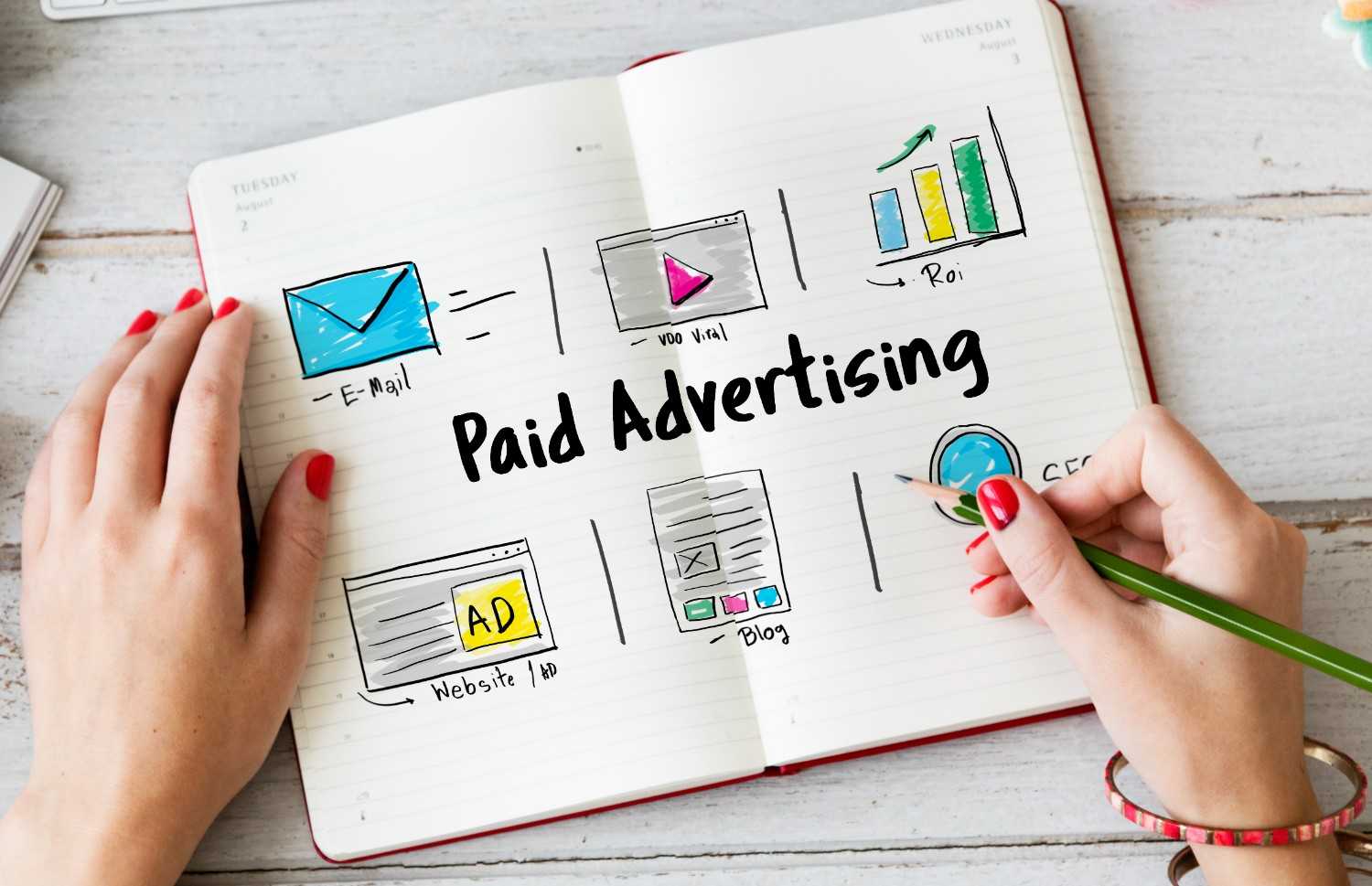
The creative possibilities differ dramatically between platforms.
Google Ad Formats
Search Ads: Text-based ads appearing at the top of search results. When someone searches “hair transplant surgeon Delhi,” your practice appears immediately with headlines, descriptions, and extensions (phone numbers, location, site links).
Display Ads: Image-based advertisements shown across millions of websites in Google’s Display Network. Ideal for retargeting patients who visited your website but didn’t book.
YouTube Ads: Video content showcasing before-and-after results, patient testimonials, or procedure explanations. Particularly powerful for cosmetic treatments where visual proof matters.
Local Service Ads: Verified practice listings for location-based searches with Google Guarantee badges, reviews, and instant call functionality.
Meta Ad Formats
Image & Video Ads: High-quality visuals showcasing your practice, staff, results, and patient stories. Creative quality is crucial on Meta—well-designed ads with clear calls-to-action consistently outperform keyword-matched alternatives.
Carousel Ads: Multiple images or videos in a single ad, perfect for displaying various procedures, before-and-after transformations, or step-by-step treatment processes.
Lead Ads: Forms directly within Meta platforms, allowing patients to submit inquiries without leaving Facebook or Instagram. This reduces friction and increases conversion rates for digital marketing for clinics.
The creative advantage clearly belongs to Meta. Visual storytelling, video testimonials, and immersive content formats allow you to build emotional connections and showcase your expertise in ways text-based search ads simply cannot.
Lead Quality and Conversion Performance

Cost means nothing if leads don’t convert into paying patients.
Google Ads Lead Quality
Healthcare search ads demonstrate average conversion rates of 3.27%, with dentists achieving 10.40% and hospitals reaching 12.33%. These represent among the highest conversion rates across all industries.
Why? Search intent. When patients type “physiotherapist in [location],” they have a high intent to book an appointment at that moment. They’re not browsing, but they’re deciding.
Leads originating from Google search ads show significantly higher conversion rates to actual paying patients compared to social media leads. For urgent care, emergency services, and immediate appointment needs, Google dominates.
Meta Ads Lead Quality
Meta users scrolling through their feeds aren’t actively searching for solutions, resulting in lower immediate conversion rates than Google Ads. Meta and Instagram generate many inquiries, but a significant portion are lower-quality leads—people with more time than money who aren’t actively committed to treatment.
However, this doesn’t mean Meta leads are worthless. For medical marketing strategies requiring education and nurturing—cosmetic procedures, elective treatments, aesthetic services—Meta excels at introducing your practice to potential patients early in their decision journey.
The key insight? Google delivers ready-to-convert patients. Meta delivers potential patients who need education and relationship-building before committing.
Compliance and Advertising Policy Considerations
Healthcare advertising faces strict regulations on both platforms—and violations can shut down your campaigns instantly.
Google Ads Compliance:
Google’s Personalised Advertising policy prohibits advertisers from targeting users based on health problems associated with intimate body parts or functions, including genital, bowel, or urinary health. This significantly limits targeting options for certain specialities.
Healthcare-related services are automatically classified as “moderately restricted,” meaning limited targeting and visibility are standard, not penalties. Prescription drug promotion requires specific certifications, and even over-the-counter medical content faces scrutiny.
Meta Ads Compliance:
Meta prohibits ads that imply or attempt to generate negative self-perception in health or appearance-related advertising. You cannot use phrases like “Do you have eczema?” or “Need to lose weight?” because they imply users have problems.
As of 2024, Meta pixels are no longer HIPAA-compliant for healthcare websites, forcing practices to remove tracking pixels and shift to in-platform demographic targeting only. This eliminates remarketing capabilities that many practices previously relied upon.
Both platforms require careful navigation. Meta’s restrictions feel more subjective and creative-focused, while Google’s are more technical and certification-based. Partner with patient lead generation experts who understand these nuances—compliance violations waste time and money.
Which Platform Works Best for Doctors?
The honest answer? It depends on your speciality, goals, and patient journey.
Choose Google Ads When:
- You need immediate appointment bookings
- Patients have urgent needs (dental emergencies, acute dermatological issues)
- Your treatments are established, and patients actively search for them
- You want to capture existing demand from people ready to commit
- Budget allows for a higher cost-per-click with superior conversion rates
Choose Meta Ads When:
- You’re building brand awareness in a new market
- Your treatments are elective and require patient education
- You want to showcase visual before-and-after results
- You need cost-effective reach and engagement
- Your ideal patients benefit from relationship-building before conversion
The Optimal Strategy:
Industry experts typically recommend a mix of Google and Meta Ads for most medical marketing, with the majority of ad dollars going toward Google. This hybrid approach captures immediate demand while simultaneously building long-term awareness.
Start with Google Ads to generate immediate revenue and validate your market. Once you’ve established consistent patient flow, layer in Meta Ads to build brand equity, educate potential patients, and expand your pipeline.
Conclusion
The “better” platform isn’t Google or Meta, but it’s the one aligned with your practice goals and patient journey.
Google Ads wins for immediate patient acquisition, high-intent searches, and established treatments people actively seek. Meta Ads excels at brand building, visual storytelling, cost-effective reach, and educating patients about procedures they didn’t know they needed.
Solo practitioners struggling with inconsistent referrals and walk-ins don’t have time for trial-and-error experimentation. You need proven medical marketing strategies that deliver qualified patient inquiries month after month.
Ready to stop guessing and start growing?
TZS DIGITAL specialises in THE PATIENT FLOW ACCELERATOR—a comprehensive solution combining the best of both platforms specifically for cosmetic surgeons, dentists, and dermatologists across India. Our data-driven approach leverages Google Ads for doctors when intent is high, Meta Ads for doctors when education is needed, and seamless integration of both for maximum patient lead generation.
We handle the complexity. You handle the consultations.
Contact TZS DIGITAL today for your free discovery call. Let’s build your consistent patient flow using the right platforms, the right way.
FAQs
1. Which platform is more cost-effective for doctors—Google Ads or Meta Ads?
Meta Ads typically offers lower cost-per-click ($1-$3.63 vs $6-$10 for Google), but Google delivers higher-quality leads with better conversion rates. True cost-effectiveness depends on patient lifetime value and conversion rates, not just click costs.
2. Can doctors advertise services directly on Google and Meta?
Yes, but with restrictions. Both platforms prohibit certain health-related targeting and messaging. Google requires certifications for prescription drugs and medical devices. Meta prohibits ads that create negative self-perception. Compliance is crucial.
3. Do Meta Ads work well for specialised treatments or niche practices?
Absolutely. Meta’s interest and demographic targeting allow you to reach specific audiences interested in cosmetic procedures, aesthetic treatments, or specialised dental services. Visual formats showcase results effectively for procedures requiring patient education.
4. Do Google Ads deliver better appointment bookings?
Yes, for immediate bookings. Google captures high-intent patients actively searching for services, resulting in conversion rates of 10%+ for dentists and immediate appointment requests. Google dominates when patients have already decided they need treatment.
5. Are healthcare ads expensive on Google?
Healthcare keywords are among the most expensive on Google, with dentists paying $6-$10+ per click and cosmetic surgery exceeding $8+ per click. However, high patient lifetime value (often ₹50,000-₹5,00,000+) justifies acquisition costs when campaigns are properly optimised.
